How long do veneers from Turkey last?
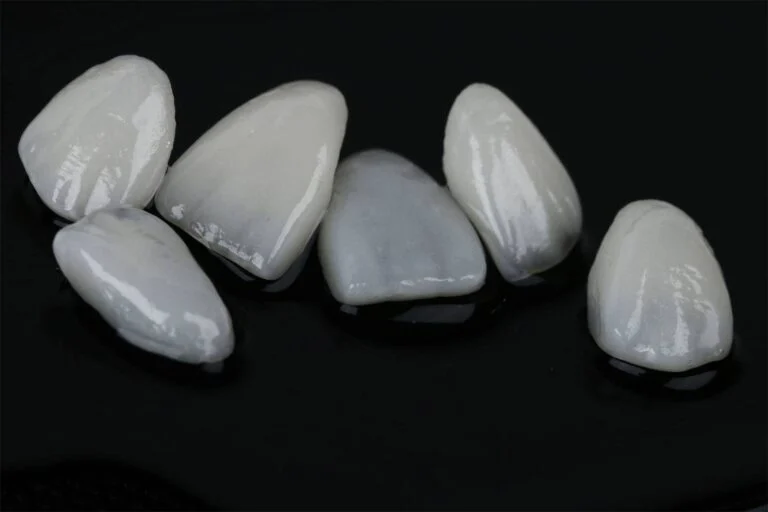
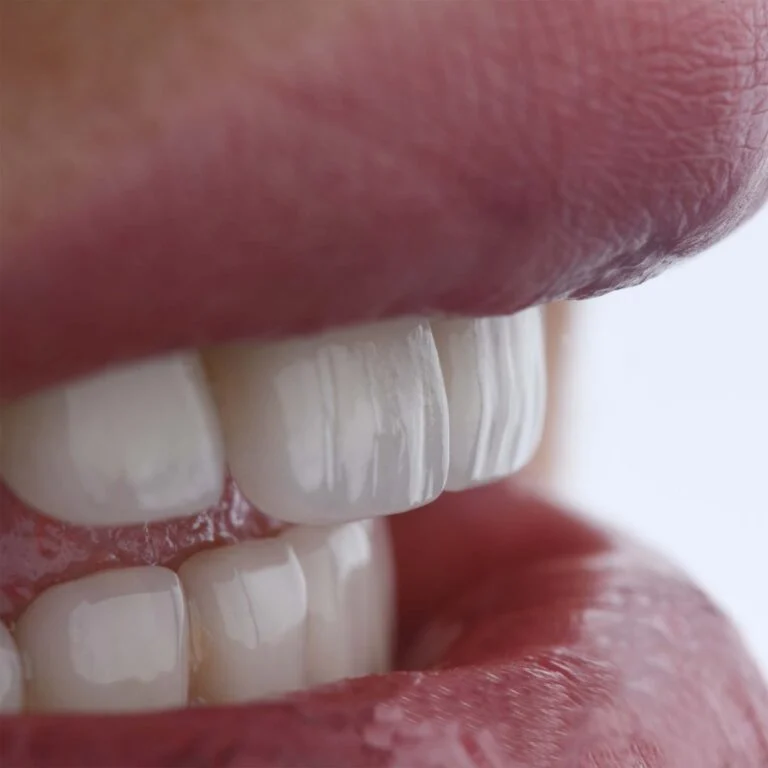
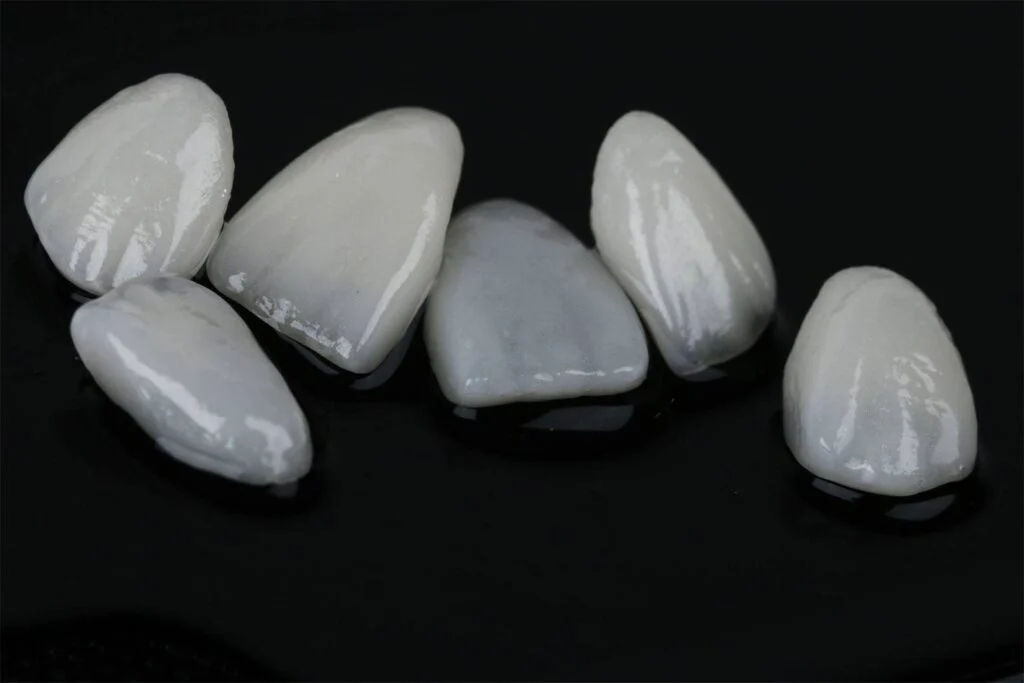
Veneers made in Turkey use the same materials as veneers made in the UK, so they last as long as the same work done at home: porcelain (E-max) veneers commonly 10–15 years or more, composite veneers about 4–7 years. What decides it is how much tooth was removed, how they were bonded, your bite and how you look after them.
What the studies show
One of the longest follow-ups of porcelain veneers (Beier and colleagues, International Journal of Prosthodontics, 2012) followed 318 veneers for up to 20 years. The estimated survival was about 94 % after 5 years, 93 % after 10 years and 83 % after 20 years. Most failures were small fractures or chips, many of them in patients who grind their teeth.
| Material | Typical lifespan | When something goes wrong |
|---|---|---|
| Porcelain (E-max) veneers | 10–15 years or more | A small chip can be polished or repaired; a broken veneer is replaced on its own |
| Composite veneers and bonding | About 4–7 years | Chips and stains are repaired in one visit; a yearly polish keeps them bright |
| Zirconium crowns (not veneers) | 15 years or more | The crown is replaced; the tooth underneath stays reduced |
What makes veneers fail early
- Too much tooth removed. Veneers bond best to enamel. When the preparation goes through the enamel into the softer dentine underneath, the bond is weaker and the tooth more sensitive.
- Grinding and clenching. Night-time grinding is the most common reason for chipped porcelain. A night guard protects the veneers.
- Gum disease left untreated. Inflamed gums bleed, shrink back and leave the edges of the veneers visible.
- Decay at the edges. The tooth under a veneer can still decay where plaque collects at the margin.
- Biting hard things. Ice, nails, pens and bottle caps chip porcelain and composite alike.
- Staining. Porcelain does not stain; composite slowly absorbs colour from coffee, tea, red wine and smoking.
Where the risk is with veneers abroad
The material is not the problem. The risks come from the way treatment is planned:
- Full crowns sold as “veneers”, which remove much more tooth. Read more in Turkey teeth: what goes wrong, and how to avoid it.
- Too little time: no mock-up and no try-in before the veneers are bonded.
- No records for your dentist at home, who then cannot tell what material was used or how the teeth were prepared.
How to make your veneers last
- Brush twice a day with a soft brush and a non-abrasive toothpaste, and clean between the teeth every day.
- Wear a night guard if you grind or clench your teeth.
- See a dentist and hygienist at home once or twice a year. Ask for polishing that is safe for porcelain and composite.
- Do not use your teeth as tools.
- With composite: rinse with water after coffee, tea or red wine, and have them polished once a year.
When a veneer needs replacing
One damaged veneer can be replaced on its own; the others stay. A dentist at home can do it, as long as the colour and material are known, which is why your written report matters. A tooth that was prepared for a veneer stays prepared, so it will always need a veneer or bonding.
Questions to ask before you book
- Will I get veneers or crowns, and on which teeth?
- How much enamel will be removed, and will any tooth need no preparation at all?
- Will I see a mock-up and try the veneers in before they are bonded?
- Which material and which shade, and will I get these in writing?
- Do I need gum treatment or whitening first?
Our written plan answers these questions before you travel. See how our prices work.
Frequently asked questions
Do veneers from Turkey last as long as veneers from the UK?
Yes, when the same material is used and the treatment is planned well. E-max porcelain is the same material in both countries. What shortens the life of veneers is too much tooth removed, grinding without a night guard and untreated gum disease, not the country.
Can a dentist in the UK repair veneers made in Turkey?
Yes. Any dentist can repair or replace a veneer. It is easier when you bring your written report with the material, the shade and X-rays.
Do veneers stain?
Porcelain veneers do not stain. Composite veneers slowly take on colour from coffee, tea, red wine and smoking, and are polished once a year to keep them bright.