
Simple and surgical extractions
Tooth extraction in Antalya, Turkey
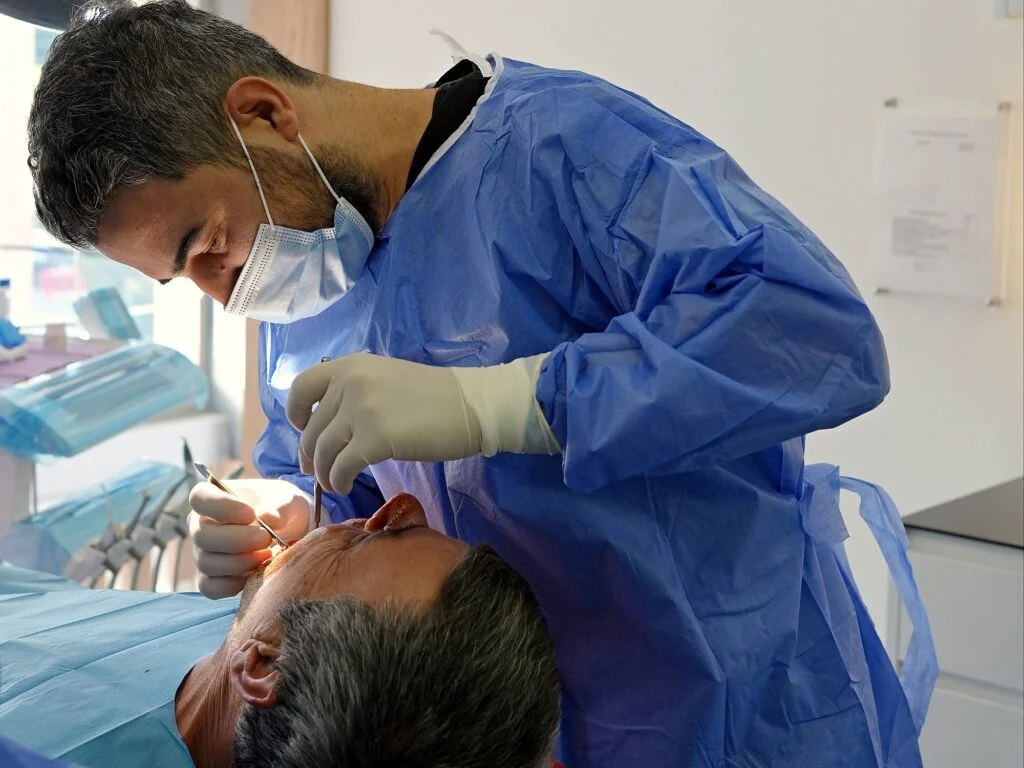
A tooth is extracted when it cannot be saved: when it is broken below the gum, too decayed to restore, very loose from gum disease, or a wisdom tooth that keeps causing problems. Most extractions take 15–60 minutes under local anaesthesia, and most patients can fly the next day. If you plan an implant, the socket can be filled with bone graft at the same visit to keep the bone for later.
Medically reviewed by Uzm. Dt. Mehmet Ercan ·
- Anaesthesia
- Local
- Time in the chair
- 15–60 minutes
- Stitches
- Sometimes
- Flying
- Usually the next day
- Gum healing
- 2–3 weeks
- Bone healing
- 3–6 months
When a tooth needs to come out
- The tooth is broken or cracked below the gum line.
- Decay is so deep that the tooth cannot be rebuilt.
- Advanced gum disease has destroyed the bone that holds it.
- A root canal treatment has failed and retreatment is not possible.
- A wisdom tooth causes repeated infection or damages the tooth in front.
Extraction is not undone. Before removing a tooth we check whether root canal treatment, a crown or gum treatment can keep it predictably.
Simple or surgical extraction?
| Simple extraction | Surgical extraction | |
|---|---|---|
| Used for | A visible tooth with straight roots | Teeth broken below the gum, curved roots, impacted wisdom teeth |
| How | The tooth is loosened and lifted out | A small cut in the gum, sometimes a little bone is removed and the tooth divided |
| Time | About 15–30 minutes | About 30–60 minutes |
| Stitches | Often none | Usually |
| Swelling | Mild, 1–2 days | Moderate, highest on day 2–3 |
| Back to normal | 1–3 days | 3–7 days |
Your dentist decides on the X-ray or 3D scan which type you need. Both are done under local anaesthesia: you feel pressure, but not sharp pain.
Wisdom teeth
Not every wisdom tooth has to come out. A healthy wisdom tooth that has come through fully and can be cleaned can stay. Removal is advised when a partly erupted tooth causes repeated gum infections, when it is decayed, when it damages the tooth in front or when a cyst forms around it.
Lower wisdom teeth can lie close to the nerve that gives feeling to the lip, chin and tongue. The 3D scan shows how close. Temporary numbness after removal occurs in a small share of patients; permanent numbness is rare, well under 1 %. Upper wisdom teeth sit close to the sinus, which your dentist also checks on the scan.
Keeping the bone for a future implant
After an extraction the jawbone shrinks, fastest in the first 3–6 months; the ridge can lose up to about half of its width within the first year. That can make a later implant harder to place. Socket preservation reduces this: bone graft material is placed in the empty socket and covered with a membrane or collagen, and the site heals for about 3–6 months before the implant. See bone graft and sinus lift.
When the bone is intact and there is no active infection, the implant can sometimes be placed in the same session as the extraction. Whether that is safe for you is decided on the 3D scan.
Flying after an extraction
Most patients can fly the day after a simple extraction. After a surgical or wisdom tooth extraction, book your flight after the check-up your dentist schedules. When an upper back tooth is removed, its roots can be close to the sinus; if an opening into the sinus is found, it is closed and you will be told how long to wait before flying and to avoid blowing your nose. Drink water during the flight and keep painkillers in your hand luggage.
Dry socket
A dry socket happens when the blood clot in the socket breaks down or is lost and the bone is exposed. It usually starts 2–4 days after the extraction, with throbbing pain that can spread to the ear and a bad taste. It occurs after about 1–5 % of routine extractions and more often after lower wisdom teeth. Smoking, a difficult extraction and an earlier dry socket raise the risk.
It is treated by rinsing the socket and placing a soothing dressing; the pain usually eases within 1–2 days and the socket heals over the following weeks. Antibiotics are not normally needed.
Other risks
- Bleeding, especially if you take blood thinners. Do not stop them yourself; we agree the plan with you and, if needed, your doctor.
- Swelling, bruising and stiffness of the jaw for a few days.
- Infection of the socket.
- Damage to a filling or crown on the neighbouring tooth.
- Numbness after lower wisdom teeth, and an opening into the sinus after upper back teeth.
- Delayed bone healing if you take bisphosphonates for osteoporosis or have had radiotherapy to the head and neck. Tell us about these before treatment.
Aftercare: the first days
- Bite on the gauze for 30–45 minutes.
- On the first day do not rinse, spit forcefully, drink through a straw or smoke.
- Use a cold pack on the cheek, 10 minutes on and 10 minutes off, for the first hours.
- Eat soft, lukewarm food and chew on the other side.
- From the second day rinse gently with warm salt water after meals.
- Avoid alcohol, sauna and heavy exercise for 48 hours.
- Contact us if bleeding does not stop with firm pressure, swelling grows after day 3 or you develop a fever.
Replacing the tooth
A missing back tooth lets the neighbouring teeth tilt and the opposite tooth drift into the gap, so in most cases the tooth should be replaced. Wisdom teeth are the exception.
- Dental implant — after 3–6 months of healing, or in selected cases on the same day.
- Bridge — usually once the gum has healed, often after 2–3 months; a temporary can fill the gap meanwhile.
- Partial denture — can be fitted on the day of extraction and relined as the gum heals.
The cost depends on whether the extraction is simple or surgical, the number of teeth and whether a bone graft is placed. See prices.
How it works
From the first photo to your new smile
- 1
Send your photos
Share a few smile photos or an X-ray through our form or on WhatsApp.
- 2
Get your plan and price
Our dentists reply within 24 hours with a personal treatment plan, a fixed price and how many days you need.
- 3
Fly to Antalya
We pick you up at Antalya Airport and drive you between your hotel and the clinic.
- 4
Smile, with aftercare
You fly home with a written guarantee and our team stays in touch for follow-up.
Tooth extraction: frequently asked questions
Does a tooth extraction hurt?
Not during the procedure: local anaesthesia numbs the area, and you feel pressure rather than pain. Afterwards soreness for 1–3 days is normal, longer after a surgical extraction, and ordinary painkillers usually control it.
How long does it take to heal after an extraction?
The gum closes over in about 2–3 weeks. The bone underneath fills in over 3–6 months, which is why an implant is usually placed after that time.
Can I fly after a tooth extraction?
Usually the next day after a simple extraction. After a surgical or wisdom tooth extraction, fly after your check-up, and if the sinus was involved follow the waiting time your dentist gives you.
When can I eat normally again?
Soft food from the first evening, chewed on the other side. Most people return to a normal diet within a few days, a little longer after wisdom teeth.
Can I have an implant on the same day as the extraction?
Sometimes. When the bone is intact and there is no active infection, an immediate implant is possible. Your dentist decides on the 3D scan; otherwise socket preservation keeps the bone for a later implant.
Should I have my wisdom teeth removed if they do not hurt?
Not automatically. Healthy wisdom teeth that have come through fully and can be cleaned can stay. Removal is advised when they cause repeated infection, decay or damage to the neighbouring tooth.
I take blood thinners. Can I have a tooth removed?
Usually yes, without stopping the medication, using local measures to control bleeding. Tell us exactly what you take before treatment; we may ask for a recent blood test or a letter from your doctor.
Patient reviews
What our patients say on Google
Related treatments
You may also be interested in
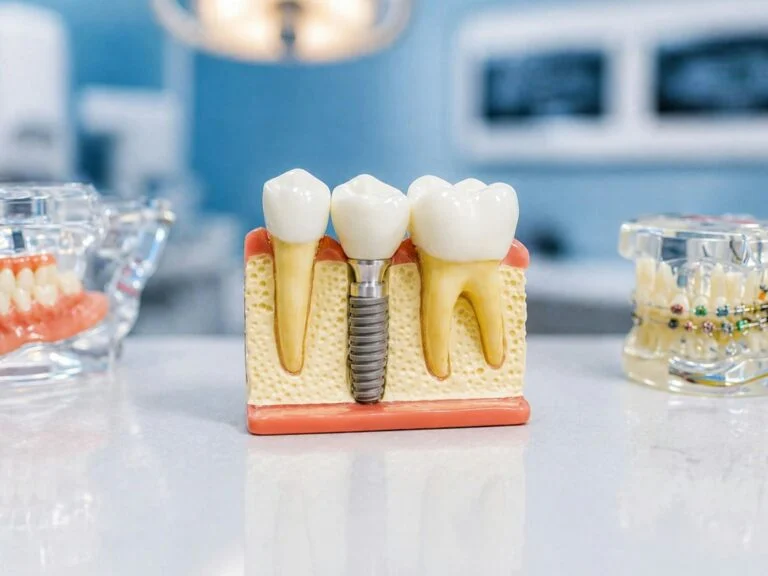
Bone graft & sinus lift
Rebuilding thin or shrunken jawbone so an implant can be placed securely.Learn more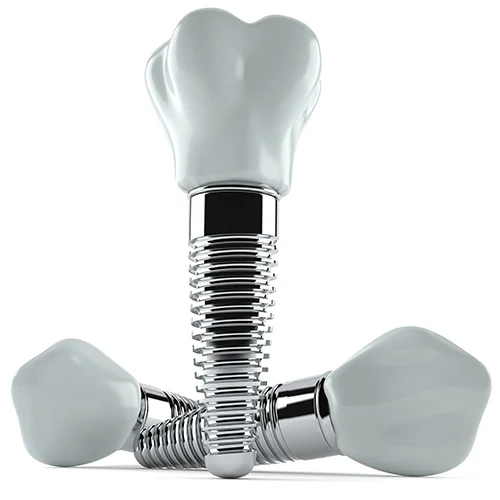
Dental implants
Replace one, several or all missing teeth with fixed teeth that look, feel and chew like your own.Learn more
Dental bridges
A fixed row of crowns that fills a gap, held by the neighbouring teeth or by implants.Learn moreFree consultation
Get your personal treatment plan and price
Tell us what you would like to change and add a few photos. A dentist — not a sales agent — reviews your case and replies within 24 hours.
- Free and without obligation
- Fixed price in writing before you travel
- Reply in English, German, Russian or Turkish
- Your photos are used only for your treatment plan